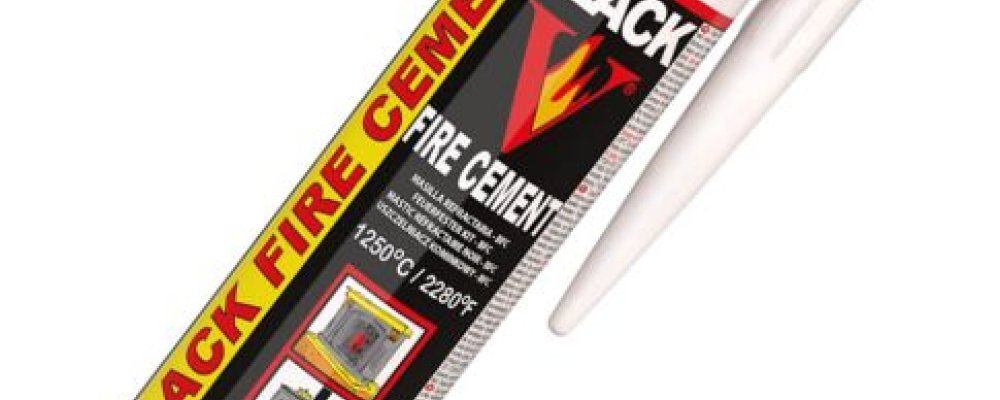
Refractory cement creates a rigid joint, while the appropriate silicone remains flexible. Therefore, the material is not chosen solely based on the temperature on the packaging. First, determine whether the connection needs to move relative to adjacent parts and what kind of seal the appliance manufacturer recommends.
Rigid joint and flexible seal
BLACK Fire Cement is a ready-to-use compound for specific small repairs and thin joints. High-temperature silicone Vitcas is another product for applications described in its datasheet. Similar packaging or color does not indicate interchangeability.
If a joint needs to allow movement, rigid cement may crack. On the other hand, silicone flexibility does not confirm suitability for flame contact. Not every flexible sealant is suitable for the interior of a furnace.
What to compare in product datasheets?
- The function of the joint: rigid repair or flexible sealing.
- Permitted substrate materials and moisture conditions.
- Continuous and short-term operating temperatures, if both are provided.
- Joint geometry, curing time, and first heating.
- Restrictions regarding flame, environmental conditions, and the specific appliance.
For BLACK Fire Cement, the manufacturer specifies resistance up to 1250°C. This value cannot be transferred to silicone just because both products are described as high-temperature. Equally important is the location of the joint and compliance with the design.
When is another solution needed?
Movable doors may require a rope. The flue conduit may use a factory gasket. A larger lining element may need to be replaced instead of patched. Before using the sealant, identify what the joint needs to do, rather than choosing between two cartridges based on appearance.
Clean the cold joint and check that you are not hiding a structural defect. Follow the product requirements regarding the substrate and curing. If the joint regularly leaks, determine the cause of movement or overheating. Another layer of a different sealant without this diagnosis may only make proper repair more difficult.