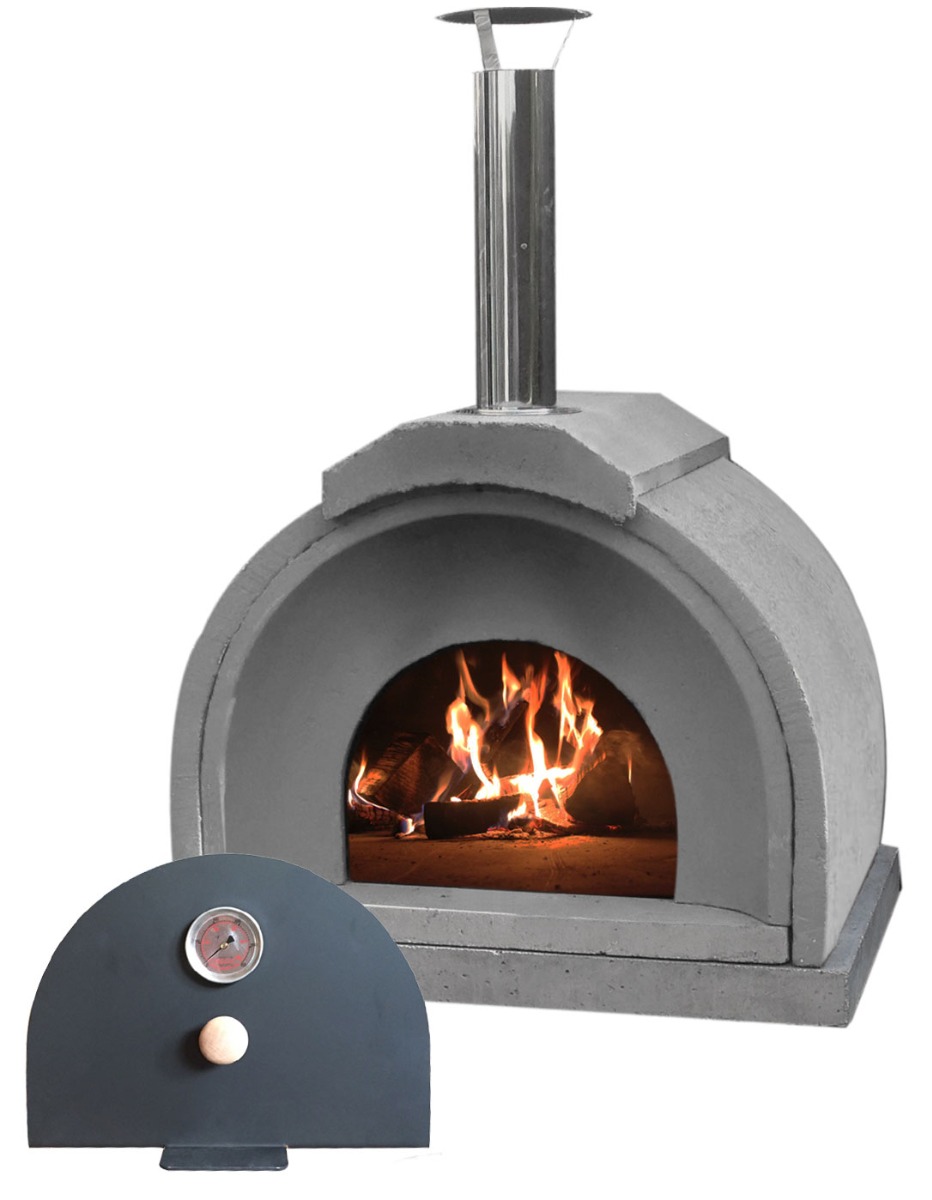
After rain, a dark spot near the entrance does not necessarily indicate the only path of water. Moisture can come from the casing, base, or adjacent surface. Inspect the cold oven before the next use and determine where the wet area starts and ends.
Check from top to base
In the Vitcas Casa outdoor oven, maintain the requirements of the installed casing and assembly. Examine the ends, areas around the duct, and the entrance. Then check the surfaces from which water could have flowed under the device.
Take photos of wet areas and compare them over time. Do not assign correctness to all hidden layers based on a single dry spot. Also check available joints and the placement of equipment.
Separate the removal of the cause and the repair
Outdoor Oven Cement is intended for the described external refractory connections. A new joint does not replace water drainage from improperly terminated casing. When the element moves, its support must also be checked.
ceramic fibre blanket serves as insulation, not as a coating protecting against precipitation. Do not assume that the maximum fibre temperature confirms the readiness of the wet system for intense firing. Insulation protection requires its own solution.
Adjust preparation to the condition of the oven
Perform the required drying and return-to-service stages according to the construction and materials used. Do not suddenly increase the heat to remove water. Fresh repairs also have their own setting and preparation requirements.
After the planned cycle and cooling, compare the same spots. Record whether the mark reappears after the next rain. Such a comparison will allow assessment of the enclosure or base completion without covering the entire device with another random layer of material.