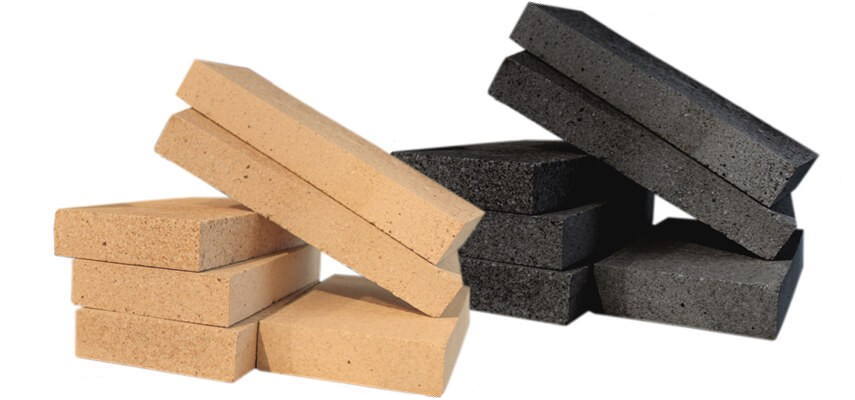
It is worth photographing the support of the steel grate before finishing the grill. Once the enclosure is closed, a small bracket may be difficult to assess, even though it carries significant load. Record the way it rests, its position, and the removal path of equipment while all parts remain visible.
Check where the load flows
In the drawing, mark the grate, supports, and wall elements that bear weight. Refractory bricks must correspond to the appropriate function. A small cut or weakened edge requires assessment if it is in a pressure point.
Check the position of each support point on the cold dry fit. The grate should not tilt or rest randomly on an adjacent layer. If height adjustment is provided, describe the conditions of each used position.
Preserve the solution for metal movement
Expansion during heating should be considered in the setting. The required clearance or guiding method is determined by the design and equipment. Do not assign a single value for all grates without data for a specific solution.
Consider Outdoor Oven Cement for compatible connections of the external refractory structure. The mortar should not accidentally close the part intended for movement or removal. For the connection, record both the material and the function of the joint.
Also document access for replacement
Practice removing the grate before installing the worktop or facing. Check the tools needed for disassembly and the possibility to inspect the supports. The element requiring periodic inspection should not be enclosed just for aesthetic appearance.
After the planned preparation and heating, compare the supports cold with the photos. Record new chippings and changes in position. When replacing the grate, check the entire part again, because a different size or equipment weight may change the original support conditions.